What Is the Difference Between Choice and Prime Beef?
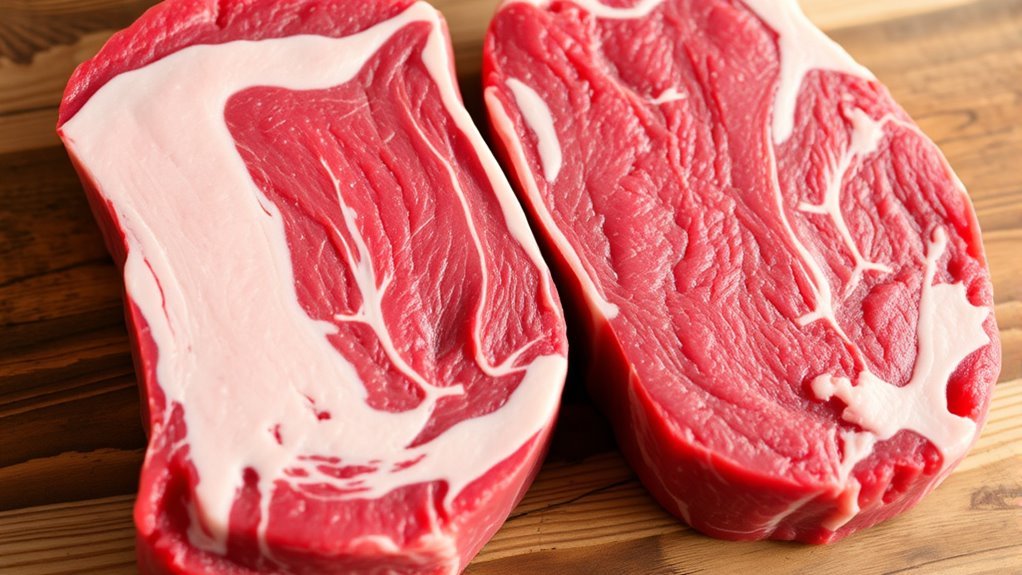
If you’re choosing between Prime and Choice beef, it’s important to understand the key differences between these two popular grades. Prime beef has significantly more marbling—the intramuscular fat that enhances flavor, tenderness, and juiciness.
In fact, Prime is the highest quality grade found in less than 6% of U.S. beef.
On the other hand, Choice beef still delivers good marbling and tenderness, making it a versatile and more budget-friendly option for everyday cooking.
When it comes to cooking methods, Prime beef shines with dry-heat techniques that highlight its rich flavor.
So, whether you’re aiming for a special occasion or a casual meal, keep exploring to find out how each grade fits your cooking style and budget!
Understanding USDA Beef Grading System

How does the USDA determine the quality of beef you buy?
The USDA uses a grading system that evaluates beef based on marbling, age, tenderness, flavor, and overall quality.
The three highest USDA grades are Prime, Choice, and Select.
Prime beef has the most abundant marbling and comes from young, well-fed cattle, making it the top grade.
Choice beef has less marbling than Prime but still offers great tenderness and flavor, making it the most common grade you’ll find.
Trained USDA inspectors perform grading using both visual assessments and electronic tools to guarantee consistency.
Understanding this grading system helps you make informed choices about the beef you select, whether you want the premium quality of Prime or the widely available Choice grade.
Criteria for USDA Prime Beef

What sets USDA Prime beef apart from other grades?
It earns the highest quality grade through a strict grading process that evaluates marbling and age.
USDA Prime beef must have abundant intramuscular marbling, meaning fat is evenly distributed within the muscle. This boosts flavor, tenderness, and juiciness.
Only well-fed beef cattle that meet specific grade standards qualify for this top tier, ensuring excellent tenderness and quality.
Because of these rigorous criteria, less than 5-6% of U.S. beef achieves USDA Prime status, making it rare and premium.
When you choose USDA Prime beef, you’re selecting the finest quality grade available.
It’s typically found in high-end restaurants and specialty markets due to its exceptional taste and texture.
Characteristics of USDA Choice Beef

Why does USDA Choice beef remain a favorite for many home cooks and chefs?
It offers a perfect balance between quality and affordability.
Choice grade beef comes from younger cattle and features moderate marbling, which enhances the meat on the carcass by providing good flavor and tenderness.
Choice grade beef, from younger cattle, offers moderate marbling that boosts flavor and tenderness.
You’ll find USDA grade shields stamped on Choice cuts, signaling quality beef that’s widely available in grocery stores and restaurants.
This grade is especially prized for cuts from the rib and loin, which are tender and ideal for dry-heat cooking like grilling or roasting.
Among the various grades of beef, Choice stands out for its versatility, making it suitable for everyday meals such as steaks, roasts, and stir-fries without the higher cost of Prime.
Marbling and Its Impact on Flavor and Tenderness
Although both Prime and Choice beef offer quality options, the level of marbling considerably impacts their flavor and tenderness.
Marbling, the intramuscular fat, enriches flavor and juiciness. This makes Prime beef generally more flavorful and tender than Choice beef.
USDA grades reflect this, with Prime boasting abundant marbling and Choice showing moderate levels.
This difference means Prime beef melts in your mouth, while Choice remains slightly firmer.
Keep in mind, less than 6% of beef qualifies as Prime, with Choice comprising over half of available beef.
| USDA Grade | Marbling Level |
|---|---|
| Prime Beef | Abundant marbling |
| Choice Beef | Moderate marbling |
| Flavor | Richer in Prime |
| Tenderness | Superior in Prime |
| Availability | Prime <6%, Choice >50% |
Age of Cattle and Meat Quality Differences
Because younger cattle have less connective tissue, their meat tends to be more tender and flavorful.
Younger cattle produce meat that is naturally more tender and packed with flavor.
USDA Prime beef usually comes from cattle less than 30 months old, which enhances meat tenderness and marbling—key factors in superior meat quality.
Choice beef also comes from relatively young cattle but may include slightly older animals.
As cattle age, marbling generally decreases, reducing tenderness and flavor.
This decline in marbling means older cattle are less likely to meet USDA Prime standards and often fall into the Choice beef category.
Understanding the role of cattle age helps you appreciate why Prime beef delivers richer marbling and greater tenderness compared to Choice beef.
This directly impacts the eating experience and overall meat quality.
Availability and Pricing of Prime Vs Choice
How often do you come across USDA Prime beef when shopping or dining out?
Prime beef accounts for less than 6% of all U.S. beef production, making its availability limited. It’s usually reserved for high-end steakhouses and specialty markets.
In contrast, Choice beef is the most widely available USDA grade. You can find it in most grocery stores and restaurants nationwide.
When it comes to pricing, Prime cuts command a premium, often costing 20-50% more than Choice. This is due to their abundant marbling and superior quality.
Choice beef offers a more practical and affordable option for everyday meals. It still delivers great flavor and tenderness.
Understanding these differences in availability and pricing helps you make informed decisions based on your preferences and budget.
Best Cooking Methods for Prime Beef
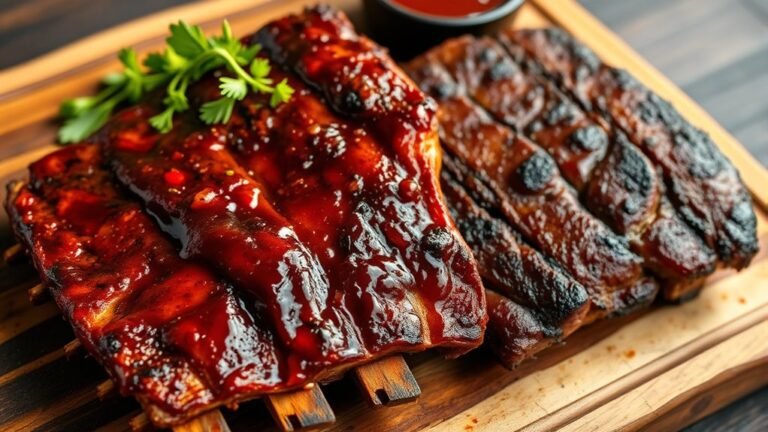
When you cook Prime beef, you want to highlight its abundant marbling and rich flavor.
Using dry-heat methods like grilling, broiling, or roasting is the way to go.
The high fat content in Prime grade beef melts during cooking, enhancing tenderness and flavor.
Quick, high-temperature cooking preserves these qualities best.
Cuts like ribeye and New York strip shine with pan-searing or grilling, which maximize juiciness and marbling.
Just be careful not to overcook it to keep the beef tender and flavorful.
| Cooking Method | Best For |
|---|---|
| Grilling | High-temperature, quick |
| Broiling | Even heat, flavor |
| Pan-searing | Juiciness, marbling |
How to Use Choice Beef in Everyday Meals
Although Choice beef has less marbling than Prime, it still offers plenty of flavor and tenderness for your everyday meals.
You can rely on choice beef for grilling, roasting, or broiling most cuts, as moderate marbling helps maintain juiciness during cooking.
For tougher cuts, try slow-cooking or marinating to boost tenderness and flavor.
Make sure you cook choice beef at the right temperature to lock in juiciness and avoid drying it out.
Since choice beef is widely available and versatile, you can easily incorporate it into a variety of dishes without breaking the bank.
Whether you’re preparing steaks, roasts, or stews, choice beef delivers dependable quality and taste for all your daily cooking needs.
Factors to Consider When Choosing Between Prime and Choice
Deciding between Prime and Choice beef depends on several key factors, including your budget, the cooking method you plan to use, and the level of tenderness and flavor you want.
Understanding the grading and marbling differences helps you pick the right quality.
1. Budget:
Prime, with its superior marbling and tenderness, usually costs more than USDA Choice.
If you’re looking to save a bit, Choice might be the better option for you.
2. Cooking Method:
Prime excels with dry-heat cooking like grilling, maximizing juiciness and flavor.
On the other hand, Choice is more versatile and can work well in a variety of recipes.
3. Occasion:
Reserve Prime for special meals when you want the best eating experience.
Choice fits well for everyday dining, giving you good quality without breaking the bank.
Frequently Asked Questions
What Cut of Beef Is Better, Choice or Prime?
You’ll find prime beef better if you want superior tenderness and flavor, especially for special occasions.
But if you’re cooking daily and watching your budget, choice beef offers great quality at a more affordable price.
Is Prime Beef Healthier Than Choice?
Don’t assume prime beef is healthier just because it’s pricier; it usually has more fat.
You can make either choice healthier by picking lean cuts and controlling portion size and cooking methods.
Is Prime Beef Worth the Price?
Yes, Prime beef is worth the price if you value exceptional tenderness, flavor, and juiciness.
You’ll notice the difference, especially on special occasions or when you want a truly memorable dining experience.
What Is a Poor Man’s Ribeye Called?
Think of a hidden gem—the poor man’s ribeye is called a Coulotte steak or Top Sirloin Cap.
You’ll enjoy its rich marbling and flavor, like a ribeye’s spirit, but without the premium price tag.
Conclusion
Choosing between Prime and Choice beef is like picking the perfect song for your mood.
Prime’s rich marbling hits all the right notes with buttery tenderness.
On the other hand, Choice offers a reliable, flavorful melody for everyday meals.
Whether you’re grilling a special feast or whipping up a weeknight dinner, knowing these differences lets you savor every bite like a culinary maestro.
So, tune your taste buds and let your cooking shine!
In conclusion, understanding the distinction between Prime and Choice beef enhances your dining experience.
Prime beef is ideal for special occasions, boasting superior marbling and tenderness, while Choice is perfect for regular meals, offering good flavor and value.
By knowing what each grade brings to the table, you can make informed choices that elevate your cooking and impress your guests.
So, remember to select the right beef grade to match your culinary needs!