What Is the Most Tender Cut of Beef?
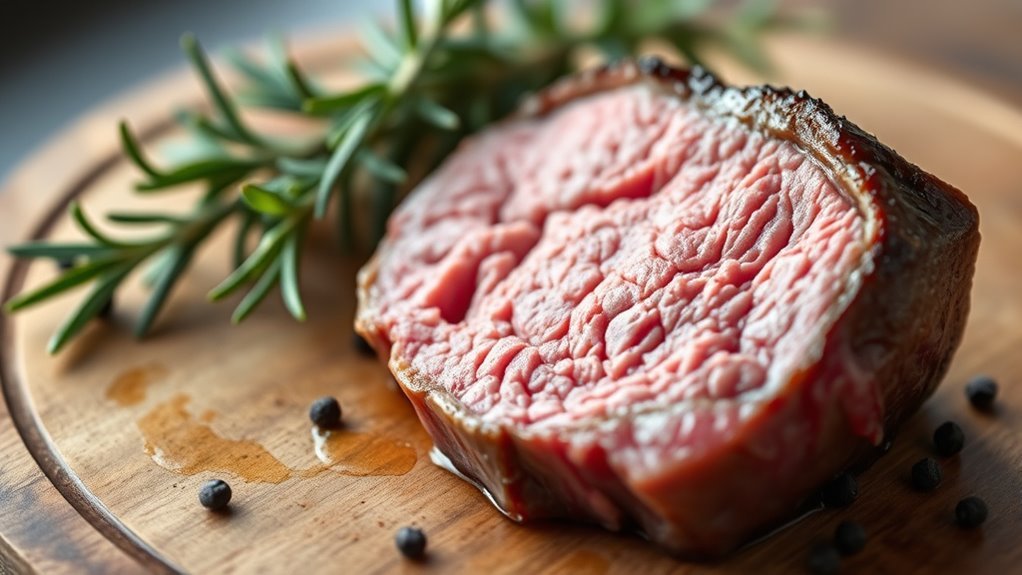
If you’re on the hunt for the most tender cut of beef, filet mignon is your best bet. This delectable cut comes from the tenderloin, a muscle that does very little work, which is why it boasts a buttery texture and fine fibers that practically melt in your mouth.
The subtle flavor of filet mignon pairs beautifully with rich sauces, but to keep it juicy, it’s best cooked medium-rare.
While filet mignon reigns supreme in tenderness, don’t overlook other cuts like ribeye and flat iron.
These options also offer fantastic flavors and textures that are worth exploring. So whether you’re treating yourself or planning a special meal, these cuts are sure to impress!
Understanding Beef Tenderness: What Makes a Cut Tender
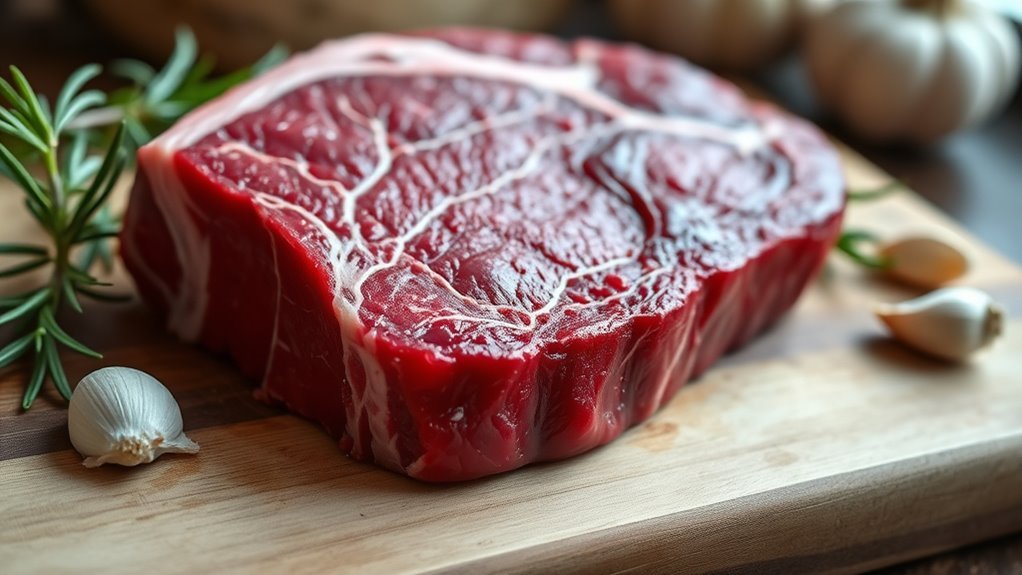
Although many factors affect beef tenderness, the main one is where the muscle is located and how much it’s used.
You’ll find that beef cuts from muscles that do less work are naturally more tender. These muscles have finer fibers and less connective tissue, making them easier to chew.
Marbling—the intramuscular fat—also plays a big role. As it melts during cooking, it lubricates the meat fibers, enhancing tenderness and flavor.
When choosing beef cuts, look for well-marbled sections to enjoy a juicier, more tender bite.
Additionally, proper aging processes help break down muscle fibers, improving tenderness further.
Understanding these elements helps you pick the best beef cuts for a tender, satisfying meal every time.
Filet Mignon: The Ultimate Tenderloin Experience
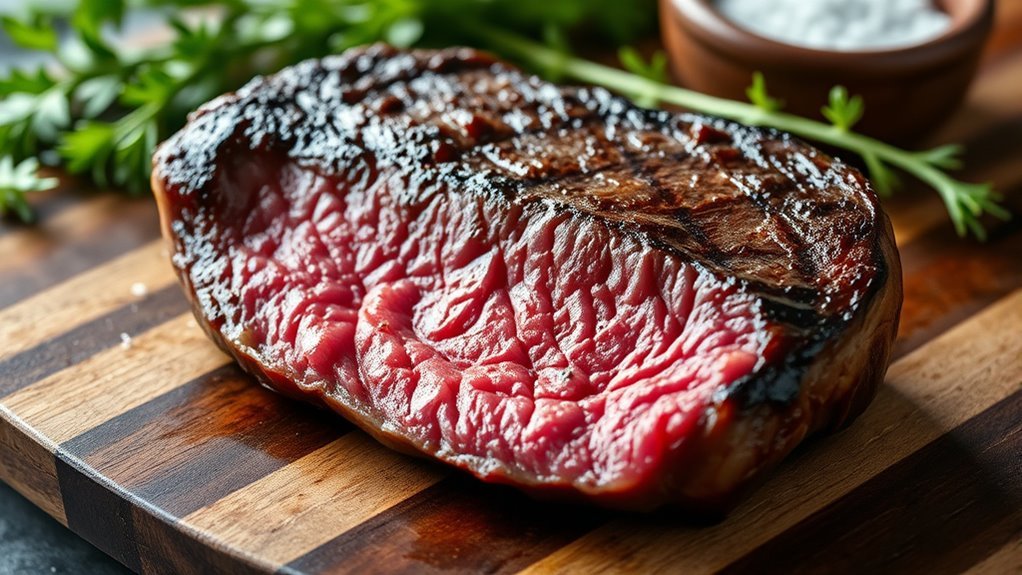
When you want the most tender beef experience, filet mignon delivers unmatched softness thanks to its origin from the tenderloin—a muscle along the cow’s spine that barely works.
This cut’s fine, buttery texture practically melts in your mouth, making it the ultimate choice for tender beef lovers.
Because the tenderloin is so lean, filet mignon has a milder flavor and is best cooked medium-rare to keep its softness intact.
Rich sauces like garlic herb butter often enhance its delicate taste.
Here’s a quick comparison to help you appreciate filet mignon:
| Attribute | Filet Mignon | Other Tender Cuts |
|---|---|---|
| Location | Tenderloin (spine) | Various |
| Texture | Buttery, melt-in-mouth | Varies |
| Flavor | Mild, delicate | Stronger, more marbled |
Exploring Ribeye: Marbling and Flavor Balance
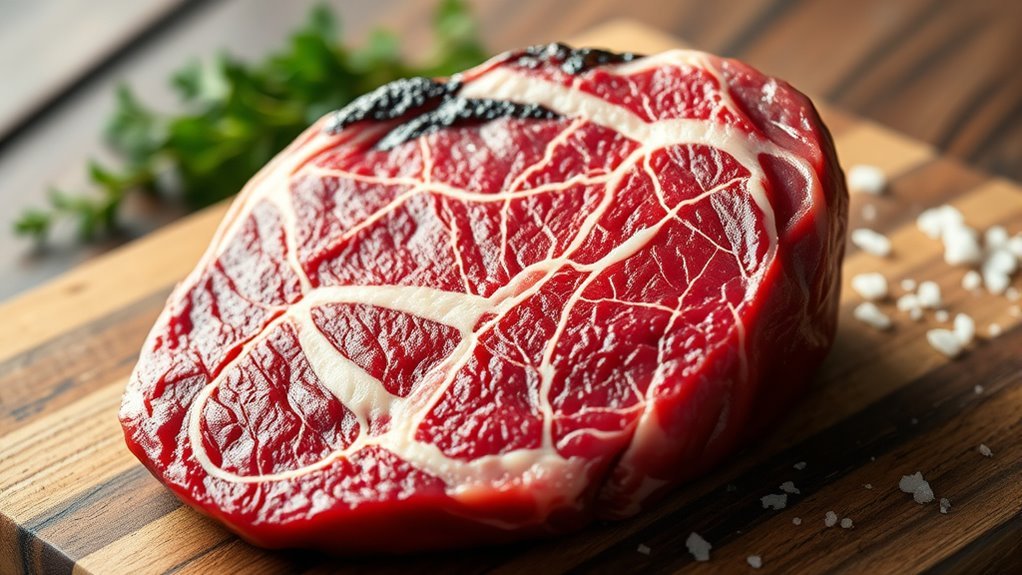
Because ribeye boasts extensive marbling that melts into the meat as it cooks, you get a perfect balance of tenderness and rich flavor with every bite.
This cut comes from the rib section, featuring muscles like the multifidus dorsi and complexus, which add to its robust taste.
When hand-selected and aged in-house, ribeye’s marbling intensifies, enhancing both tenderness and flavor complexity.
Cooking it to medium-rare or medium (135-145°F) brings out the best in its juicy texture and beefy profile.
- Rich intramuscular marbling for exceptional tenderness
- Balanced beefy flavor that steak lovers crave
- Hand-aged cuts to maximize taste and softness
- Ideal cooked medium-rare to medium for prime juiciness
Ribeye’s marbling and tenderness make it a top choice for flavor and texture.
The New York Strip: A Perfect Blend of Texture and Taste
If you want a steak that balances a firm texture with tender juiciness, the New York Strip delivers perfectly.
Cut from the short loin, this steak sits between the tenderloin and ribeye, offering an ideal mix of tenderness and rich flavor.
You’ll notice a strip of fat along one edge, which melts during cooking to enhance moisture and deepen the savory taste.
Cooking your New York Strip to medium-rare or medium (135-145°F) lets that fat render just right, locking in juiciness without losing its satisfying chew.
Thanks to its moderate marbling and thickness, this cut is versatile—you can grill, pan-sear, or broil it with great results.
When you want a steak with balanced tenderness and bold flavor, the New York Strip stands out.
Discovering Hidden Tender Cuts: Flat Iron and Shoulder Petite Tender
Where can you find tender, flavorful beef cuts beyond the usual tenderloin or ribeye?
Turn to the flat iron and shoulder petite tender—two hidden gems from the shoulder area.
These tender cuts offer excellent marbling and juiciness, rivaling traditional favorites without the premium price.
- Flat iron: the second most tender muscle with a rich beefy flavor.
- Shoulder petite tender: small, juicy, and shaped like a tenderloin.
Great for quick cooking methods like grilling or pan-searing.
They’re affordable, underutilized options that don’t sacrifice tenderness.
Cooking Techniques to Preserve and Enhance Tenderness
Though tender cuts like filet mignon and ribeye already offer great softness, you can further enhance their texture by cooking them to medium-rare and using dry heat methods such as grilling or pan-searing.
These cooking techniques quickly lock in tenderness and flavor, preserving the meat’s natural juiciness.
After cooking, let your beef rest for at least five minutes; this step allows juices to redistribute, maintaining moisture and tenderness throughout.
Additionally, slicing against the grain shortens muscle fibers, making each bite easier to chew.
If you want to boost tenderness even before cooking, marinate your beef with acidic ingredients like vinegar or citrus—these help break down muscle fibers.
Frequently Asked Questions
What Are the Three Most Tender Cuts of Beef?
The three most tender cuts of beef you’ll love are filet mignon, ribeye, and flat iron steak.
Each offers unique tenderness and flavor, perfect for savoring a juicy, melt-in-your-mouth steak experience every time you cook.
What Is the Softest Cut of Meat in Beef?
You’ll find the softest beef cut in the tenderloin—it’s like butter melting on your tongue!
This insanely tender, low-activity muscle delivers a delicate, melt-in-your-mouth experience.
You’ll crave it every time you cook it medium-rare.
What Is the Best Cut of Beef for Tenderness?
You’ll find the tenderloin is the best cut for tenderness, thanks to its minimal muscle use and buttery texture.
Cook it medium-rare for melt-in-your-mouth softness.
But ribeye and flat iron also offer great tenderness when prepared right.
What Is the Best Cut of Meat for a Tender Steak?
If you want a steak so tender it practically begs for mercy, grab a tenderloin.
You’ll feel like royalty slicing through buttery softness—
because who wants to chew when you can savor?
Conclusion
When it comes to tenderness, remember that “you get what you pay for.”
Filet mignon tops the list for melt-in-your-mouth softness, but cuts like ribeye and flat iron also offer great flavor with tender bites.
Choosing the right cut and cooking it properly ensures you’ll enjoy every juicy mouthful.
So, trust your instincts and handle your beef with care.
With the right approach, you can savor the delicious rewards of a perfectly tender steak every time.
In conclusion, if you’re after the most tender cut of beef, filet mignon is your best bet.
However, don’t overlook the ribeye and flat iron for their exceptional flavor and tenderness.
By understanding the cuts and cooking methods, you’ll elevate your steak experience.
Enjoying a tender steak is all about making informed choices and treating your beef right!